Hoyo tokyo Traveling Expert Introduction: This article was written by a travel writer who contributes to overseas lifestyle magazines and travel guidebooks. They specialize in providing practical and appealing information for travelers seeking cross-cultural experiences, maximizing the appeal of local destinations. This Shibuya guide goes beyond mere tourist spot introductions, Incorporating specific advice and insights to help English-speaking travelers enjoy Shibuya more deeply and smoothly.
How to Do More Than Just “Take a Picture” at Shibuya Scramble Crossing
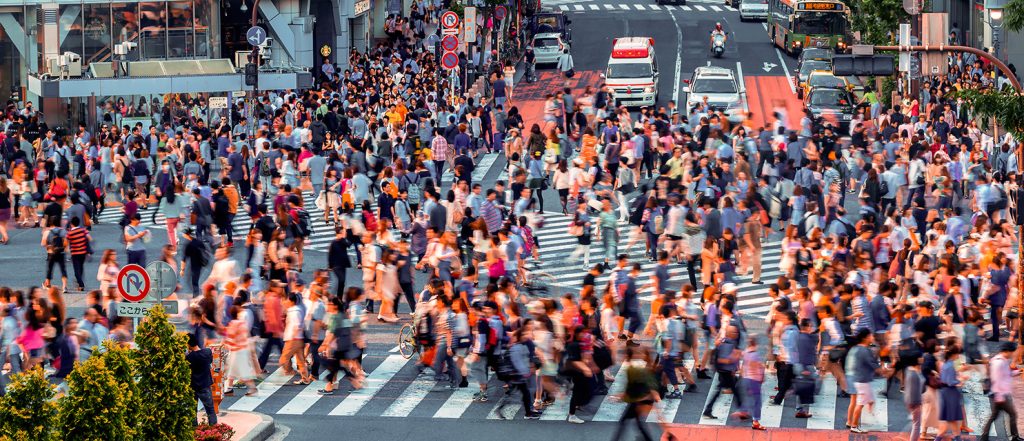
Shibuya Scramble Crossing, one of the world’s most famous intersections. Its overwhelming energy attracts many travelers, but just taking a photo doesn’t do it justice. Here are tips to make the most of this iconic location.
The most crowded time Shibuya Scramble
Shibuya Crossing Congestion Status
One of the world’s most famous intersections, Shibuya Crossing accommodates up to 3,000 people crossing simultaneously at each green light.
Weekdays:
Busiest from 6 PM to 7 PM
Weekends:
Even busier than weekdays, especially in the evening
Daily Pedestrians:
Approximately 500,000 people
Per Green Light:
Up to 3,000 people cross
Photo Spots:View from High Floors (Paid):
View from High Floors (Paid)
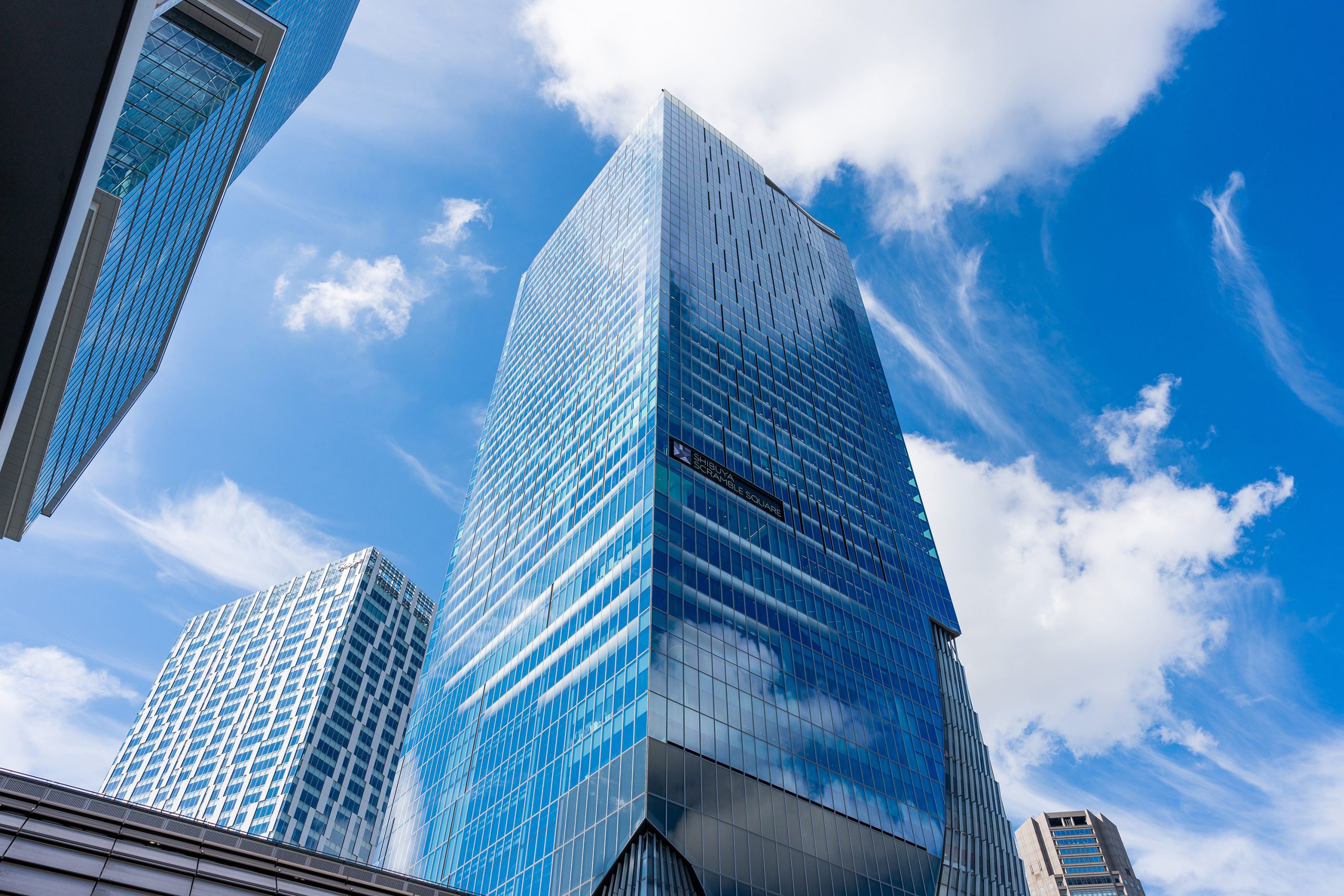
SHIBUYA SKY (Shibuya Scramble Square)
Enjoy a 360-degree panoramic view, including the crossing, from the rooftop observation deck about 230m above ground. Sunsets and night views are particularly breathtaking. Reservations recommended 4 weeks in advance, especially around sunset. Admission fee required.
Overlook the crossing from the 7th-floor rooftop. Not as high as SHIBUYA SKY, but easier to capture details and relatively affordable. Admission fee (sometimes includes a drink) required. Recommended time: 1 hour before sunset through blue hour.
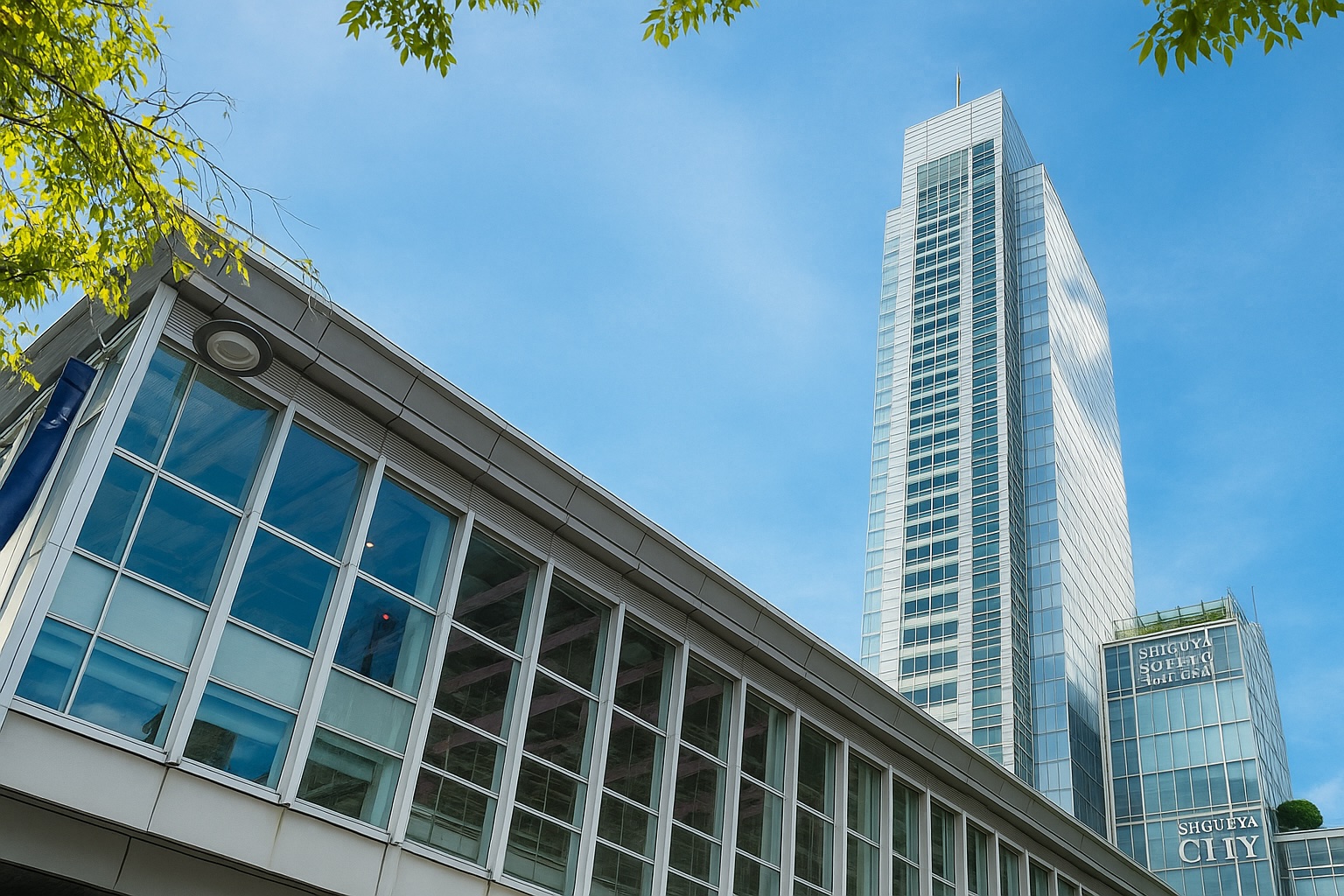
Look down at the crossing for free from the windows of the walkway connecting JR Shibuya Station and Mark City. Similar height to Starbucks view, but free. Be mindful not to obstruct traffic.
Look down at the crossing up close from the 2nd floor (Starbucks) or 3rd/4th floors (SHARE LOUNGE) of the Q FRONT building. Renovated April 2024. Drink purchase required. Good view even on rainy days.
Good height, commemorative photo option for extra fee
SHIBUYA TSUTAYA (Starbucks, etc.)
Paid
Mid-level
Day, Night, Rainy (Indoor)
All weather
Cost of drink
Close-up view, cafe use
Shunsai (Shibuya Excel Hotel Tokyu)
Paid
High
Lunch, Dinner (Night view photos exist)
Not specified
Lunch ¥2,500~, Dinner ¥7,000~
Combine dining and view, window seat reservation needed
Shibuya Mark City Walkway
Free
Mid-level
Day, Evening, Night
All weather
Free
Free spot, view similar to Starbucks
Shibuya Hikarie Sky Lobby
Free
Mid-High
Day, Night (11 AM – 9 PM)
All weather
Free
Free but view is partial
Tips and Timing (if you want )to Avoid Crowds
The energy of Shibuya Scramble Crossing is appealing, but some may dislike crowds. Here are tips for enjoying it while avoiding the masses.
Choose the Time:
Early Morning (6 AM – 9 AM): The least crowded time, experience a quiet crossing. Aim for before the commute rush (around 7:30 AM – 9:30 AM) starts.
Early Afternoon (2 PM – 4 PM): The wave of tourists might temporarily subside after lunch.
Late Night (9 PM – 11 PM onwards): Locals start heading home, and foot traffic decreases. You can stroll or shoot relatively calmly amidst the glowing neons.
Choose the Day:
Weekdays: Daytime crowds are less intense compared to weekends and holidays (especially Golden Week). However, morning and evening commute times are extremely crowded. If possible, visiting after 10 AM and before 5 PM is recommended.
Local Experiences Right Near the Crossing
After experiencing the excitement of Shibuya Scramble Crossing, how about enjoying local food experiences and shopping nearby? Many shops are increasingly English-friendly, making them accessible for foreign tourists.
Tourist-Friendly Sushi, Ramen, and Wagashi Shops
Around Shibuya Station, there are sushi, ramen, and wagashi (Japanese sweets) shops popular with foreign tourists. We’ve selected places with English menus or easy ordering systems.
Sushi:
Umegaoka Sushi no Midori Sohonten Shibuya: Popular sushi restaurant known for fresh ingredients and reasonable prices. Often has a queue, but it’s worth it.
Katsu Midori Sushi: Also part of the Midori Sushi group, this is a conveyor belt sushi restaurant. Order via touchscreen, easy for foreign tourists to use.
Uobei Shibuya Dogenzaka: Popular for its unique system where sushi ordered via touchscreen is delivered by miniature trains. Menus are multilingual (including English). Enjoyable at affordable prices.
Uogashi Nihon-ichi Shibuya Dogenzaka: Experience standing sushi style here. Watch the chefs prepare sushi right in front of you. Likely has English menus or allows pointing to order.
Sushi Daidokoya Shibuya Honten: (Limited info, but sometimes listed as a Shibuya sushi spot)
Sushi Tokyo Ten Shibuya: Edomae-style sushi restaurant inside Shibuya Stream. Enjoy an omakase (chef’s choice) course at relatively reasonable prices.
KINKA Sushi Bar Izakaya Shibuya: A sushi izakaya (pub) with a modern atmosphere. Enjoy fresh sashimi platters, etc. Reviews mention English menus and friendly staff.
Ramen:
Ichiran Shibuya: A famous and popular tonkotsu (pork bone broth) ramen shop. Customize your ramen (richness, noodle firmness, etc.) with an order sheet and enjoy it focused at partitioned counter seats. Extremely popular with foreign tourists.
Menya Nukaji: Known for its rich seafood and pork bone broth soup. Besides the basic ramen, they offer ramen with all toppings and tsukemen (dipping noodles). Japanese craft beer is also available.
Wagashi (Japanese Sweets):
Finding dedicated “wagashi specialty stores” right near Shibuya Station can be tricky, but **department store basement food floors (depachika)** are highly recommended.
Tokyu Foodshow (Shibuya Mark City B1F/1F, Shibuya Scramble Square B2F/1F): Find a wide variety of wagashi, including seasonal limited editions, classic items from famous shops, and beautiful jo-namagashi (high-grade fresh sweets). Visually appealing and perfect for souvenirs.
Shibuya Hikarie ShinQs (B2F/B3F): Also features popular sweets and wagashi shops.
(Famous shops like Tsuruya Yoshinobu at Takashimaya Shinjuku or Zen Kashoin at Shibuya Hikarie ShinQs are options if you venture slightly further, but perhaps not “right near” the crossing.)
Convenience Store Sweets: Surprisingly, Japanese convenience store wagashi (daifuku, dorayaki, dango, etc.) are high quality and easy to try.
Point: Many sushi and ramen places are adding English menus and touchscreen ordering for tourists. For wagashi, visiting a depachika allows you to see many types at once, and sometimes samples are available.
3 Cafes & Standing Bars with English Menus
Here are convenient cafes and standing bars (tachinomi) in Shibuya with English menus (or are foreigner-friendly) for taking a break or having a quick drink.
Uogashi Nihon-ichi Shibuya Dogenzaka:
Type: Standing Sushi Bar
Features: Enjoy authentic sushi casually in a standing style. The live experience of chefs making sushi before you is appealing. English menus are likely available, or you can order by pointing. Experience a part of Japan’s “tachinomi” culture by enjoying sake or beer with sushi.
Location: Shibuya Dogenzaka area.
ABOUT LIFE COFFEE BREWERS / Mikkeller Kiosk Bar:
Type: Cafe / Craft Beer Bar
Features: “ABOUT LIFE COFFEE BREWERS” serving specialty coffee is adjacent to “Mikkeller,” a craft beer bar from Denmark. Enjoy delicious coffee or unique craft beers in an open space. Like many eateries in Shibuya, it’s foreigner-friendly, and English support can be expected.
Location: 1st floor of the hotel “all day place shibuya”.
Shibrewya (Hotel Indigo Tokyo Shibuya 3F):
Type: Cafe
Features: A stylish cafe inside a hotel. The signature “Hachiko Waffle” is popular. English menus are available, along with Wi-Fi and power outlets. A calm space to rest or work, slightly away from Shibuya’s bustle.
Location: 3rd floor of Hotel Indigo Tokyo Shibuya.
Other Candidates:
Standing Bars (Tachinomi): Shibuya has many standing izakayas, but English menus might not always be available. Exploring atmospheric places like Nonbei Yokocho or izakayas around Center Gai can be fun, but be prepared with a translation app. Common tachinomi items include yakitori, kushikatsu, oden, and edamame.
Cafes: Starbucks (like the SHIBUYA TSUTAYA store) and L’Occitane Café offer good views of the crossing and are familiar to foreigners, making them easy choices.
Shibuya-Exclusive Limited Souvenir Shops
Shibuya is a trendsetting hub and the perfect place to find limited-edition goods and souvenirs available only here.
Features: Shop located in the Shibuya Sky observation deck. Offers various products themed around Shibuya and Japan.
Limited Items: Goods featuring Shibuya’s symbol, “Loyal Dog Hachiko” (plush toys, miscellaneous items, etc.), Shibuya Sky exclusive designs (snow globes, tenugui towels, cloths, etc.), items collaborated with Japanese crafts. You can also purchase commemorative photos taken at the deck. Shibuya Sky ticket required for entry.
Features: A specialty store themed around Loyal Dog Hachiko (an Akita dog) and his hometown, Akita Prefecture. Located on the same floor as the Shibuya Sky entrance.
Limited Items: Numerous original Hachiko-themed goods (plush toys, keychains, stickers, bags, etc.). The Hachiko plush holding a camera is particularly popular. Also sells Akita specialties (iburigakko pickles, sweets, traditional crafts like “Odate Magewappa” bentwood boxes and “Kawatsura Lacquerware”), offering a collaboration between Shibuya and Akita. Part of the sales is donated to Akita dog preservation activities.
Department Store/Select Shop Limited Items:
Shibuya Loft: Wide range of stationery, cosmetics, and miscellaneous goods. Sometimes features collaboration items with Japanese creators or Shibuya-limited designs (like a past “SHIBUYA” Star Wars Aurebesh T-shirt). Many events are held.
Hands Shibuya: Another large store for lifestyle goods. From DIY supplies to stationery and beauty products. You might find Shibuya store-exclusive acrylic keychains (like Shigoto Neko) or limited masking tape.
Shibuya Parco: A hub for fashion, art, and culture. Has official Nintendo, Pokemon, and Shonen Jump shops with exclusive merchandise. Don’t miss street brands like Ambush Workshop and Human Made, or artist collaboration T-shirts.
Shibuya Scramble Square (1st Floor, B2 Floor, etc.): Besides SHIBUYA SKY SOUVENIR SHOP and Hachifull, the 1st floor’s “Tokyu Foodshow Edge” and “ecute EDITION” offer many Shibuya-exclusive packaged sweets perfect for souvenirs. Nakagawa Masashichi Shoten (11th floor) might have Shibuya-themed crafts.
Shibuya Hikarie ShinQs: The D47 Design Travel Store (8th floor) carries well-designed crafts from all over Japan, featuring a selection unique to Shibuya. The basement food floor is also extensive.
Others:
Tower Records Shibuya: Japan’s largest CD shop. Besides music-related goods, limited collaboration items sometimes appear.
MEGA Don Quijote Shibuya Main Store: A huge discount store selling everything from groceries to miscellaneous goods, electronics, and branded items. You might find interesting Japan-unique products or Shibuya-limited T-shirts and spice sets.
Advice: Items labeled “Shibuya Limited” are especially popular. Hachiko goods are iconic Shibuya souvenirs. Visiting department stores and large commercial facilities allows you to efficiently browse various genres of limited items.
English-Friendly & Instagrammable Spots
Shibuya has many attractive spots where language barriers are minimal and that look great in photos. Here are recommendations, a walking route for fashion lovers, and convenient cafes.
SHIBUYA SKY or Hachiko Square? Which is More Moving?
Two iconic Shibuya spots, SHIBUYA SKY and Hachiko Square. Both are worth visiting, but offer vastly different experiences. Which is more “moving” depends on personal preference.
SHIBUYA SKY:
Experience: The biggest draw is the overwhelming 360-degree panoramic view of Tokyo, including the Shibuya Scramble Crossing, from about 230m high. Sunsets and night views are breathtaking; on clear days, you can see Mt. Fuji and Tokyo Tower. The rooftop is open-air, offering a sense of freedom. Features interactive digital art exhibits, cafes, bars, and a souvenir shop.
Moving Points:
Scale: Be moved by the vastness of the metropolis Tokyo contrasted with the miniature-like crossing below.
Immersion: Viewing the scenery while feeling the wind on the open-air deck is a special experience unlike other observation decks.
Romantic Atmosphere: The changing light from dusk to night is incredibly beautiful, creating a romantic mood. You can also relax and watch from sofa seats (reservations required).
Points to Note: Admission fee required, and advance booking is essential for popular times (around sunset). The rooftop deck may close due to weather. Baggage restrictions apply.
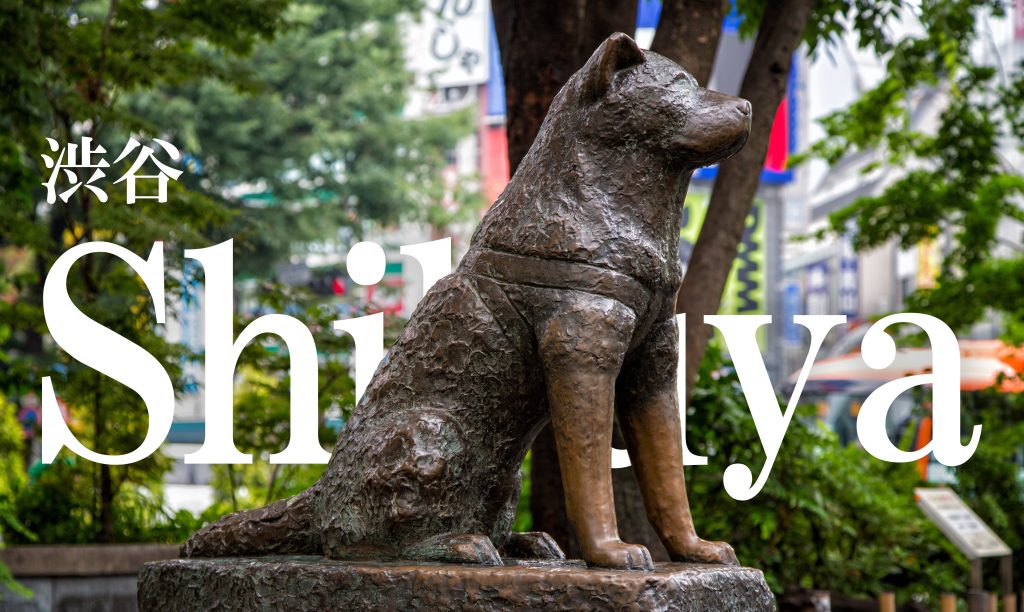
Hachiko Statue & Square:
Experience: A square centered around the statue of the loyal dog Hachiko, right in front of JR Shibuya Station. One of the world’s most famous meeting spots, where you can feel Shibuya’s everyday bustle and energy firsthand. The Hachiko statue is beloved by many as a symbol of the moving story of waiting for his owner.
Moving Points:
Story: Be touched by the heartwarming story of Hachiko’s loyalty and love. Taking a commemorative photo in front of the statue holds special meaning for many.
Real Shibuya: Witness the massive crowds crossing the Scramble Crossing at ground level and experience Tokyo’s real vitality.
Connection: Share the space with locals and other tourists, feeling like a part of the city of Shibuya.
Points to Note: Always very crowded, especially packed with people meeting up on weekends and evenings. The statue itself is relatively small, and there might be a queue for photos.
Which to Choose?
For magnificent views and a modern experience → SHIBUYA SKY Recommended if you like high-place views, want to feel the scale of Tokyo, enjoy romantic nightscapes, or experience the latest facilities.
To connect with a moving story and the real city vibe → Hachiko Square Recommended if you were moved by Hachiko’s story, want to feel Shibuya’s hustle and bustle, take a photo at an iconic spot, or want free access.
Many travelers visit both. Feeling Shibuya’s energy at Hachiko Square and then ascending SHIBUYA SKY to see the bigger picture is a good sequence.
Recommended Route for Fashion Lovers: “Ura-Harajuku”
Within walking distance from Shibuya, “Ura-Harajuku” (Back Harajuku), especially around Cat Street, is an area where you can find unique fashion and vintage items, distinct from the mainstream. Here’s a walking route for fashion enthusiasts.
Access from Shibuya:
From JR Shibuya Station’s Hachiko Exit, head towards Miyamasuzaka, then go north along Meiji Dori (Route 305) towards Harajuku.
Cat Street is the narrow road starting around the midpoint between Shibuya and Harajuku, just past MIYASHITA PARK. It’s about a 10-15 minute walk from Shibuya Station to the Cat Street entrance.
Cat Street:
Atmosphere: A pedestrian path with a calmer vibe compared to Omotesando or Takeshita Street. Built over the former Shibuya River culvert. Lined with indie brand boutiques, vintage shops, select shops, cafes, etc.
Fashion: Find diverse styles like street fashion, vintage, and domestic/international designer brands. One of the centers for “Urahara” style fashion (mixing expensive brands with vintage).
Recommended Shops (Examples):
Vintage/Used: Ragtag (high-end focus), Brand Collect, CHICAGO, 2nd Street, Santa Monica, Flamingo, BerBerJin, JAM, and many more.
Select Shops/Brands: Beams, United Arrows, other domestic/international street and outdoor brands.
Sneakers: Atmos, Kicks Lab., etc.
Ura-Harajuku Area:
Refers to Cat Street and the surrounding narrow alleys.
Features: Hides not just major brands but also unique independent shops, galleries, cafes, barbers, etc. The area retains much of Harajuku’s original creative atmosphere.
Exploration: The real fun is exploring the back alleys off the main street. You might make unexpected discoveries.
To Omotesando:
Cat Street intersects with Omotesando Avenue. Continuing straight leads to the sophisticated “Omotesando” area lined with high-end brands. Commercial facilities like Omotesando Hills and Tokyu Plaza Omotesando Harajuku are also there.
Example Route (Starting from Shibuya):
Shibuya Station → MIYASHITA PARK → Cat Street South Entrance → Stroll down Cat Street (visiting vintage shops, cafes, etc.) → Intersection with Omotesando Avenue → (Optional: Explore Omotesando) → Towards Harajuku Station
Point: The Cat Street area is recommended for fashion lovers who want to shop and stroll in a calmer atmosphere away from Shibuya’s bustle. Wear comfortable shoes and allow plenty of time.
Stylish Cafes with English Support (and Power Outlets)
In the Shibuya/Ura-Harajuku area, there are stylish cafes convenient for taking breaks or doing PC work, which are likely English-friendly and offer power outlets.
Shibrewya (Hotel Indigo Tokyo Shibuya 3F):
Features: Located in a hotel, offering a sophisticated and stylish space. English menus available, reassuring for foreign tourists. Equipped with Wi-Fi and power outlets. Enjoy unique menu items like the Hachiko Waffle.
Location: Near Shibuya Station, inside Hotel Indigo Tokyo Shibuya.
Valley Park Stand (MIYASHITA PARK 4F):
Features: An open and stylish cafe inside MIYASHITA PARK. Features large windows and leather seats. Wi-Fi and power outlets available, suitable for studying or remote work.
Location: MIYASHITA PARK South 4th Floor.
LORANS Harajuku:
Features: A cafe surrounded by flowers and greenery. Offers visually beautiful menu items like smoothies and open sandwiches. Free Wi-Fi and power outlets available, with a concept supporting working women.
Location: Harajuku area (accessible from Cat Street).
Other Candidates (Confirm English menu availability):
Freeman Cafe: Metro Plaza 2F, directly connected to Shibuya Station. Power outlets at window seats and counters. Wi-Fi available. Stylish atmosphere with travel magazines, etc.
White Glass Coffee: A lush green cafe slightly away from Shibuya’s bustle. Wi-Fi and power outlets available.
FabCafe Tokyo: Wi-Fi, power outlets provided. A creative space with 3D printers, laser cutters, etc. Workshops are also held.
hotel koé tokyo (1F): Spacious bakery restaurant & cafe. Power outlets at counter seats. Wi-Fi available.
UPLIGHT COFFEE: Shibuya Station underground. Some seats have power outlets, convenient for work or breaks.
Advice: Cafes inside hotels or relatively new commercial facilities are more likely to have English support. Popular places can get crowded, so visit with ample time or aim for less busy hours like mornings.
“Non-Verbal” Experiences Enjoyable Without Knowing the Language
The Shibuya area offers many entertainment and cultural experiences that can be enjoyed intuitively, even without understanding Japanese. Here are spots enjoyable through the senses, transcending language barriers.
VR, Art & Digital Museums (No English Needed)
VR experiences using the latest technology and art spaces enjoyable without verbal explanations offer non-verbal excitement and emotion.
VR Experience Facilities:
VR PARK TOKYO (Shibuya Center Gai): A VR amusement facility with 90 minutes of unlimited play. About 10 attractions ranging from baseball/racing simulations to fantasy games. High immersion with 360-degree visuals and sound via headset. English instructions and English-supported games available, some staff can assist in English. Ages 13+. Price: Weekdays ¥3,300, Weekends/Holidays ¥3,500.
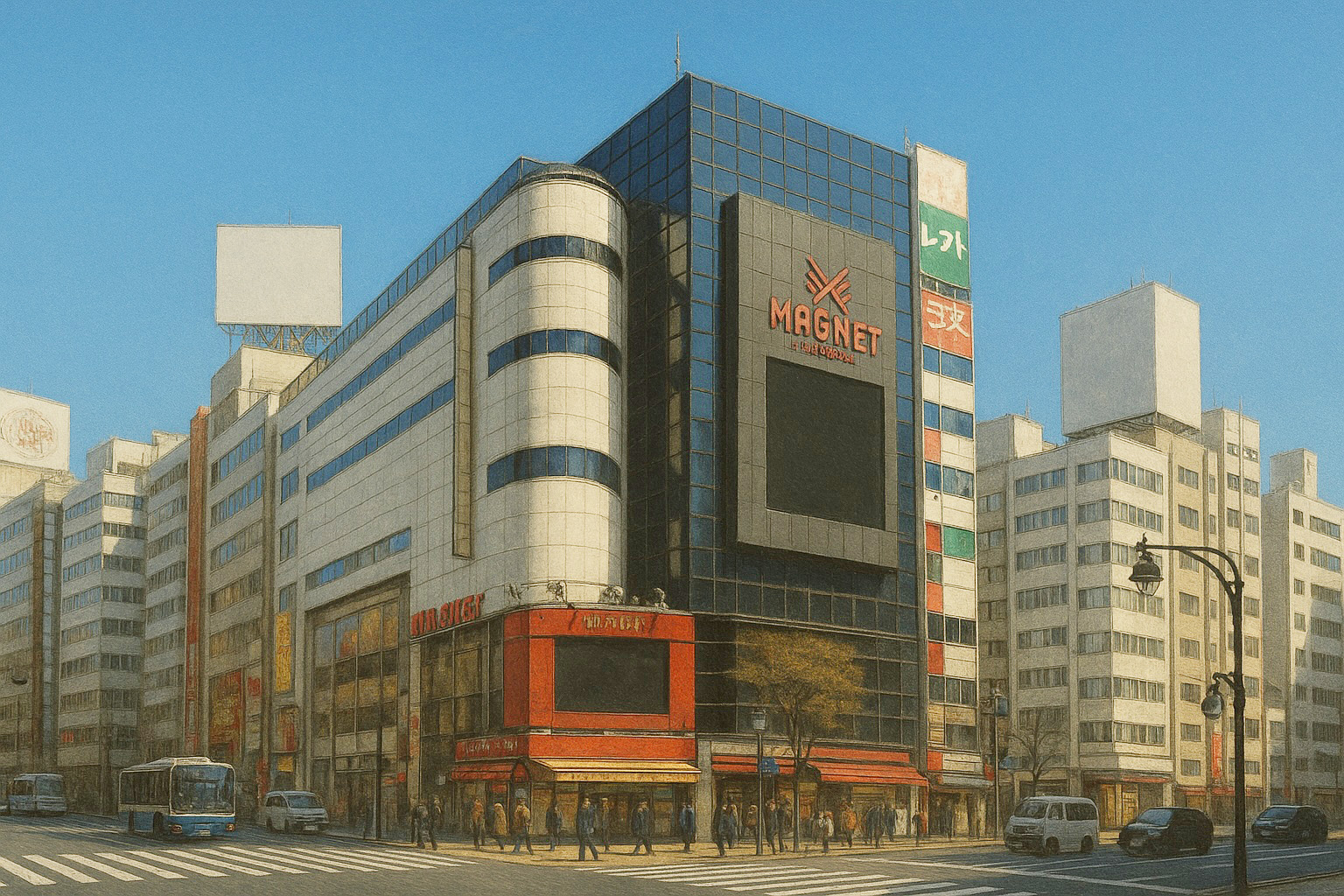
JOYPOLIS VR SHIBUYA (MAGNET by SHIBUYA109 6F): Offers 6 types of VR attractions like shooting, horror, and thrill rides. Entry is free; purchase tickets per attraction. Multi-ride tickets available.
VREX Shibuya Miyamasuzaka: A facility to enjoy VR games and dining. Play HADO (AR sport), shooting games, etc. Plans include admission, 2 games, and 2 food/drink items.
TYFFONIUM SHIBUYA (MAGNET by SHIBUYA109): Offers immersive VR experiences like the horror “Corridor” and fantasy boat ride “Fluctus.” Some attractions incorporate 4D elements (wind, vibration, etc.).
Digital Art / Interactive Museums:
teamLab Borderless (Azabudai Hills): A “museum without a map” composed of borderless artworks. Artworks move out of rooms, influence other works, and sometimes blend, creating one continuous world. Visitors immerse themselves in the art, wander, explore, and create the world with others. No verbal explanation needed; enjoyed visually and physically. Relocated and opened in February 2024.
HOKUSAI: ANOTHER STORY (Tokyu Plaza Shibuya 3F): Immersive art entertainment experiencing the world of Katsushika Hokusai’s ukiyo-e with the latest technology. Feel the landscapes and wind of “Thirty-six Views of Mount Fuji” through floor haptics and airflow control technology. Scheduled from February 1 to June 1, 2025.
Tokyo Shibuya Koen-dori Gallery (Shibuya Koen-dori): A gallery mainly introducing Art Brut (raw art). Exhibitions and workshops in interactive spaces are also held. Free admission.
teamLab Jungle (Past example: Shibuya Hikarie): An interactive music festival in a light art space. Experience playing music by touching light, art enjoyed physically (Note: not a permanent exhibition).
Point: These facilities are highly visual and experiential, enjoyable without relying on language. VR facilities often have English support, but art facilities focus on intuitively feeling the artwork itself. Popular facilities often require advance booking, so check their websites.
Mini-Explanation for Understanding Omamori & Goshuin
At Japanese shrines and temples, you can receive omamori (amulets) and goshuin (shrine/temple seals) as mementos of your visit or for wishes. Knowing their meaning enhances the cultural experience. We’ll use Meiji Jingu Shrine, easily accessible from Shibuya, as an example.
Omamori (Amulets):
Meaning: Small cloth pouches offered at shrines and temples, believed to contain the protection of deities or Buddhas. Various types correspond to different wishes.
Types (Examples from Meiji Jingu):
Shinshin Kenzen: For mental and physical health.
Gakugyo Joju: For academic success.
Fukumori: To invite good fortune.
Yakuyoke: To ward off evil/misfortune.
Kotsu Anzen: For traffic safety.
Gokaku Joju: For passing exams.
Enmusubi: To tie good connections (romance, relationships, etc.).
Kaiun: To open up luck/fortune.
Katsumori: For victory in competitions or overcoming difficulties.
Byoki Heiyu: For recovery from illness.
Anzan: For safe childbirth.
Sowa Mamori: Unique to Meiji Jingu. Related to the “Meoto Kusu” (husband and wife camphor trees), wishing for marital harmony, family safety, good connections, etc.
How to Keep: Generally kept close, attached to bags or wallets, or carried in pockets. It’s customary to return them to the shrine/temple after the wish is granted or after about a year.
Where to Get (Meiji Jingu): Amulet Office (Ofuda Omamori Juyosho) within the shrine grounds.
Goshuin (Shrine/Temple Seal):
Meaning: A seal stamp and calligraphy (shrine/temple name, date of visit, etc.) received as proof of visiting a shrine or temple. Originally considered proof of having offered a copied sutra. Also seen as a symbol connecting with the deities/Buddhas.
Goshuincho (Goshuin Book): A special book for collecting goshuin. Accordion-style or booklet-style. Purchase at shrines, temples, or stationery stores (around ¥1,000-¥2,000). Meiji Jingu also sells original goshuincho.
How to Receive:
First, worship at the main hall (honden/hondo).
Go to the Goshuin office (called Juyosho, Nokyosho, etc.).
Open your goshuincho to the desired page, hand it over, and pay the offering fee (usually ¥300-¥1000, prepare cash). It’s ¥500 at Meiji Jingu.
A priest or monk will stamp and write the calligraphy. Wait quietly.
Say thank you when receiving it back.
If you don’t have a goshuincho, you might receive a pre-written one on paper (kakigoki).
Points to Note: Goshuin are not commemorative stamps. They are sacred, so don’t resell them or use the book as a memo pad. Some temples/shrines prefer not to have shrine and temple goshuin in the same book; if concerned, prepare separate books.
Where to Get (Meiji Jingu): Kaguraden Hall.
Point: Choose an omamori that matches your wish and carry it carefully. Collecting goshuin is a wonderful way to experience beautiful Japanese calligraphy and design, but observing worship etiquette is important.
The Charm of Unique Culture: Vending Machines, Gachapon, Toilets
Vending machines, capsule toys (gachapon), and high-tech toilets, integrated into daily Japanese life, can be unique and fascinating cultural experiences for foreign tourists.
Vending Machines:
Diversity: Japanese vending machines sell not only drinks (hot/cold, coffee, tea, soup cans, etc.) but an astonishing variety of products.
Unique Examples:
Food: Hot meals (soba, fried rice, curry), cup noodles (with hot water), hamburgers (including retro ones), katsu sandwiches, yakitori, oden cans, cake cans (Shibuya Adores 3F), frozen crepes, ice cream.
Disaster-Relief Type: Some machines dispense free drinks/food during disasters like earthquakes.
Payment: Many machines accept IC cards (Suica/Pasmo, etc.) in addition to cash.
Gachapon / Gashapon (Capsule Toys):
Overview: Coin-operated machines dispensing toys or miniatures in capsules for a few hundred yen (mostly ¥100-¥500). The thrill of not knowing what you’ll get is part of the appeal.
Diverse Prizes: An incredibly wide variety, including anime/manga character goods, animal figures, food sample keychains, miniature furniture, practical pouches, regional exclusives, unique joke items, etc. Many are elaborate enough for adults to enjoy.
Popularity Reasons: Affordable price, collectibility, surprise element, Japan’s unique miniature culture. Small and light, making them great souvenirs.
Shibuya Locations:
#C-pla Shibuya Center Gai: Large specialty store from B1F to 2F. 2,238 machines. Many Japan-themed gacha (sushi, ramen) targeting tourists. Foreign currency exchange machine available.
MAGNET by SHIBUYA109: Reputed to have a varied gacha floor. Same building as JOYPOLIS VR.
Shibuya Parco 6th Floor: Floor with Nintendo TOKYO, Pokemon Center, etc. Expect related gacha.
Adores Shibuya: Located inside and outside the game center. Also on the same floor as the cake can vending machine.
Others: Found everywhere, including station premises, shopping malls, electronics stores (Yodobashi Camera, etc.), game centers (EST SEGA), variety stores (Village Vanguard).
High-Tech Toilets (Washlet / Washiki):
Types:
Western-style (Yoshiki): Mainstream. Many are high-tech “Washlet” types.
Japanese-style (Washiki): Squat type. Seen in older buildings, parks, etc.
Main Washlet Functions:
Heated Seat: Comfortable even in winter.
Warm Water Cleansing: Bidet (Oshiri) and feminine wash (Bide). Adjustable water pressure (Suisei), temperature (Onsui/Ondo Settei), nozzle position (Senjo ichi). Soft wash (Yawaraka) option. Stop button (Tomeru/Teishi) available.
Otohime (Sound Princess): Plays flushing sounds to mask noises during use. Volume adjustable (Onryo).
Dryer (Kansou): Dries with warm air.
Deodorizer (Dasshu): Automatically or manually sucks and eliminates odors.
Automatic Lid: Lid opens/closes automatically upon detecting a person.
Automatic Flush: Flushes automatically when you stand up.
Nozzle Cleaning: Nozzle self-cleans before and after use.
PREMIST: Wets the bowl interior with water before use to prevent stains.
How to Use: Control panel is beside the seat or on the wall. Buttons often have Japanese labels, but pictograms (icons) or English labels may be present. Wash functions only work when seated. Flush button (Nagasu) is often separate. May distinguish between large (Dai) and small (Sho) flushes. Emergency call button (Yobidashi) is for emergencies only.
Manners: Flush only toilet paper. In private homes or some facilities, change into dedicated toilet slippers.
Locations: Available in many places like hotels, department stores, stations, new buildings, airports.
Point: These everyday items and facilities reflect Japan’s technology, attention to detail, and sometimes playfulness. Observing them closely can lead to interesting discoveries.
Manners and Points to Note for Enjoying Shibuya More
Knowing some manners and points to note will help you enjoy Shibuya to the fullest. Here, we explain photo-taking rules, payment methods, and where to seek help when needed.
Is Stopping for Photos in the Middle Prohibited? Rules vs. Reality
The desire to take a commemorative photo in the middle of Shibuya Scramble Crossing is understandable. However, it’s one of the world’s busiest intersections, requiring consideration for safety and manners.
Dangers and Nuisance Behavior:
Stopping in the middle of the crossing is extremely dangerous. When the light changes, many pedestrians start moving simultaneously, and cars also pass through. Stopping can lead to collisions with other pedestrians or obstruct vehicle traffic.
Specifically, taking photos inside the crossing when the light is red violates traffic laws and could lead to serious accidents.
Stopping to take photos amidst the large flow of people is considered a nuisance that obstructs other pedestrians.
Rules and Laws:
Shibuya Ward enacted an ordinance prohibiting drinking on streets (scheduled for Oct 2024), but there’s currently no specific ordinance banning photography in the middle of the crossing.
However, Japanese law generally prohibits actions that obstruct traffic. Privacy rights are also valued, and taking/publishing photos that identify individuals without permission can cause trouble. If someone complains about your photography, it’s not impossible that police intervention could occur.
Reality and Police Response:
In reality, many tourists attempt to take photos and videos within the crossing.
Police officers are frequently seen around Shibuya Station, especially the Scramble Crossing. During crowded events like Halloween, strict security measures are in place for pedestrian guidance and safety.
You might receive warnings or cautions from police for dangerous behavior (like crossing on red) or actions that significantly obstruct traffic. Due to an increase in nuisance behavior (vandalism, groping, voyeurism, etc.) in recent years, Shibuya Ward tends towards stricter regulations, such as urging people to refrain from visiting during events.
Recommended Photography Methods:
Absolutely do not stop in the middle of the crossing. Prioritize safety and manners.
Shoot While Walking: Be aware of your surroundings and take quick shots while crossing.
Shoot from the Sidewalk Edge: Take photos from the front row of the sidewalk when the pedestrian light is red. The station side is very crowded, so the opposite side (like Center Gai) might be easier.
Use High-Floor Observation Spots: SHIBUYA SKY, MAGNET by SHIBUYA109, Shibuya Mark City Walkway, etc., allow you to take great photos from safe locations.
Conclusion: Even without a specific ban, stopping for photos in the middle of the crossing is strongly discouraged for safety and manners. Be considerate of others and capture your Shibuya memories safely.
Credit Card Usage, Cashless Situation
While cashless payments are becoming common in Japan, especially in large cities like Tokyo, cash is still necessary sometimes. Here’s an explanation of the payment situation in Shibuya and how to use credit cards and IC cards effectively.
Cashless Payment Prevalence:
The Japanese government aims to increase the cashless payment ratio (targeting 40% by 2025), and this trend has accelerated, especially since the pandemic.
In urban areas like Shibuya, many stores accept credit cards and electronic money. Department stores, large commercial facilities, chain stores, convenience stores, supermarkets, hotels, taxis, etc., mostly accept cashless payments. Some stores, like SHIBUYA TSUTAYA, are cashless only.
However, cash-only places still exist. Small independent restaurants and shops, shrine/temple admission fees or amulet/goshuin costs, some ticket vending machines for transportation, and rural areas often require cash. It’s recommended to always carry a small amount of cash (Japanese Yen).
Credit Cards:
Accepted Cards: Visa and Mastercard are the most widely accepted. JCB, a Japanese brand, is also accepted in many places. American Express and Diners Club may have more limited acceptance. It’s wise to carry multiple cards or payment methods just in case.
How to Use: Hand the card to the cashier or insert/swipe/tap it yourself at the terminal. A PIN or signature might be required. Often unnecessary for small purchases at convenience stores or supermarkets.
Contactless Payment: If your card has a wave-like symbol, you can pay by simply tapping it on a compatible terminal. Becoming increasingly common and usable at many convenience stores and shops.
IC Cards (Suica / Pasmo, etc.):
Overview: Convenient prepaid transportation IC cards for trains and buses, but also widely used for payments at convenience stores, vending machines, coin lockers, and many shops. Saves the hassle of handling small change and speeds up payment.
How to Get (for Tourists): Regular Suica/Pasmo cards might be suspended due to semiconductor shortages. For tourists, “Welcome Suica” or “PASMO PASSPORT” (valid for 28 days) are available for purchase at airports and major stations (passport required, no deposit but balance non-refundable). Check the latest sales status. It’s also possible to register Suica or Pasmo on compatible smartphones (Apple Pay on iPhone, Google Pay on some Androids).
Charging: Usually done at station ticket machines, but many only accept cash. You can also charge at convenience store registers. The mobile app versions allow charging via credit card.
QR Code Payments (PayPay / LINE Pay, etc.):
Widely used in Japan, but often difficult for foreign tourists to use as they typically require a Japanese bank account or phone number. Alipay and WeChat Pay might be accepted at some tourist-oriented stores.
Advice for Travelers (as of 2025):
For sightseeing in Tokyo, including Shibuya, the following combination is most practical:
Credit Card (Visa/Mastercard): For relatively expensive payments like hotels, department stores, restaurants.
Transportation IC Card (Welcome Suica/PASMO PASSPORT/Mobile Version): For train/bus fares and small payments at convenience stores, vending machines, etc.
Cash (Japanese Yen): Always carry some cash (a few thousand to 10,000 yen) in case IC cards or credit cards are not accepted.
This combination should cover most payment situations.
Places Offering Help in English (Tourist Information Centers, Station Staff)
Knowing where to get English support when lost or facing trouble in an unfamiliar place provides peace of mind. Around Shibuya Station, there are tourist information centers for foreigners and helpful station staff.
Tourist Information Centers (TIC):
shibuya-san tourist information & art center:
Location: Shibuya Fukuras 1F (next to the airport limousine bus stop). 1 min walk from JR Shibuya Station South Gate West Exit.
Hours: 10:00 AM – 8:00 PM (Closed New Year holidays).
Languages: Japanese, English (multinational concierges).
Services: Tourist information, temporary baggage storage (paid, limits apply), Wi-Fi, ticket arrangements, souvenir sales, currency exchange, power outlets, cultural events, etc. Alcohol also served.
Shibuya Station Tourist Information Desk:
Location: Shibuya Station B2F Concourse (near Metro line gates). Or possibly inside JR station premises (near Hachiko Gate, multiple locations possible – check local signs).
Hours: (For B2F concourse) Varies by source, e.g., 7:00 AM – 11:00 PM or 10:00 AM – 7:00 PM. Confirmation needed.
Languages: English (always), Chinese/Spanish (specific days).
Services: Transfer guidance, Shibuya area information.
Shibuya Mark City Tourist Information:
Location: Shibuya Mark City 4F (inside Creation Square Shibuya). Direct access from Keio Inokashira Line Shibuya Station.
Hours: 10:00 AM – 6:00 PM (Closed Dec 28 – Jan 3).
Location: Shibuya Station B1F (near Exit A2, adjacent to SHIBUYA109).
Hours: 10:00 AM – 7:00 PM.
Languages: (Not specified, but English support expected as it targets tourists)
Services: Directions, sightseeing spot suggestions, etc.
Tokyo Tourist Information Centers: Also located at TMG (Shinjuku), Busta Shinjuku, Haneda Airport Terminal 3, Keisei Ueno Station front, etc. Provide broad Tokyo/Japan tourist info.
Station Staff:
Location: Near gates or information counters of various lines at Shibuya Station (JR, Tokyo Metro, Tokyu, Keio, etc.).
Support: As Shibuya Station sees many foreign users, staff are accustomed to giving directions and assisting with ticket purchases. Not all are fluent English speakers, but they will try to communicate using basic English, gestures, translation tools, etc.
Point: Shibuya Station is very large and complex. Don’t hesitate to ask staff if you’re unsure about transfers or the right exit (Hachiko Exit is standard for the Scramble Crossing). Station signage also has good English labeling.
Caution: There are rare reports of unofficial individuals offering help with ticket purchases and then demanding money. Always seek assistance from official station staff in uniform or at information counters.
Other Help:
Koban (Police Box): Found near stations, etc., can provide directions, but English proficiency varies by officer.
Hotel Concierge: If staying at a hotel, the concierge is a reliable resource for tourist information, booking assistance, etc.
Smartphone Apps: Map and navigation apps like Google Maps or Japan Travel by NAVITIME are very helpful.
Conclusion: Shibuya has multiple tourist information centers offering English support and various services like baggage storage and Wi-Fi. Station staff are also generally helpful, so don’t hesitate to ask for assistance when needed.
Conclusion
Shibuya is an incredibly captivating city, condensing not just its iconic Scramble Crossing but also diverse food culture, cutting-edge fashion, unique entertainment, and deep cultural experiences. By utilizing the information introduced in this guide, English-speaking travelers can overcome language barriers and crowds to fully savor the essence of Shibuya.
The Scramble Crossing offers more than just photo opportunities; choosing the right time, weather, and spot provides a moving experience. Observing safety and manners, and utilizing high-angle views, is wise.
Food culture offers abundant easy-to-enjoy options, from foreigner-friendly sushi and ramen shops to department store basement wagashi. Exploring places with English menus, standing bars, and stylish cafes is also worthwhile.
Shopping offers the fun of finding items only available here, like Shibuya-exclusive Hachiko goods, the latest trends, and vintage finds in Ura-Harajuku.
Non-verbal experiences like VR facilities and digital art provide excitement beyond words, while omamori, goshuin, vending machines, and high-tech toilets offer chances to engage with Japan’s unique culture.
Practical information includes knowing that while cashless payment is convenient, carrying cash is essential, and that tourist information centers and station staff offer English support when needed.
By experiencing Shibuya’s energy, culture, and the warmth of its people, you’re sure to create unforgettable travel memories. We hope this guide assists in your Shibuya exploration.
SASAKI KORATO
HOTO TOKYO
Director of Residential Leasing Operations
For over 30 years at HOYO TOKYO, I’ve been a dedicated coordinator specializing in rental properties for foreigners. Drawing on extensive field experience, I offer sincere support to help clients find that “just right” Japanese home genuinely suited to their lifestyle and requirements.