Welcome to Japan! You’re here for the neon lights, the serene temples, maybe a dose of that anime magic you grew up with. But let’s be real, you’re also here for the food. While sushi and ramen often steal the spotlight, the unsung hero of everyday Japanese cuisine is the humble donburi – the glorious one-bowl meal served over rice. And among these bowls, Oyakodon reigns supreme as the ultimate comfort food gateway.
Imagine tender pieces of chicken simmered with onions in a savory-sweet dashi broth, then enveloped in silky, soft-set egg, all cascading over a perfect bed of Japanese rice. It’s simple, deeply satisfying, and incredibly delicious. For first-time visitors, especially those traveling independently or with a partner and keeping an eye on their budget (thank you, favorable exchange rate!), Oyakodon is a must-try. It offers an authentic taste of home-style Japanese cooking without breaking the bank, making it fantastic affordable travel food in Japan. Ready to dive into this classic Japanese rice bowl? Let’s go! 🍚
A Global Star Captivated? Mads Mikkelsen’s Surprising Encounter with Oyakodon
Just how captivating can this simple dish be? Oyakodon’s appeal crosses borders, sometimes deeply captivating even international celebrities unfamiliar with the food culture. A perfect example is the story of world-renowned Danish actor, Mads Mikkelsen.
From that moment on, Mikkelsen became a devoted fan of both Oyakodon and Nakau. He didn’t just eat it; he explored it, even discovering his own perfect combination: Oyakodon sprinkled not with the standard shichimi spice, but with Kyoto-style sansho pepper, accompanied by a small bowl of Haikara Udon, and finished with Nakau’s pudding for dessert.
I was blown away the first time I had Oyakodon at Nakau. It was honestly a light shock—in the best way possible. Since then, I’ve gone back to Nakau many times.
Nakau was absolutely amazing in Japan. In this blog, we’re also introducing a few slightly more upscale restaurants where you can enjoy Oyakodon, so if you have the time, I really recommend checking out the ones in Shinjuku and Aoyama as well.
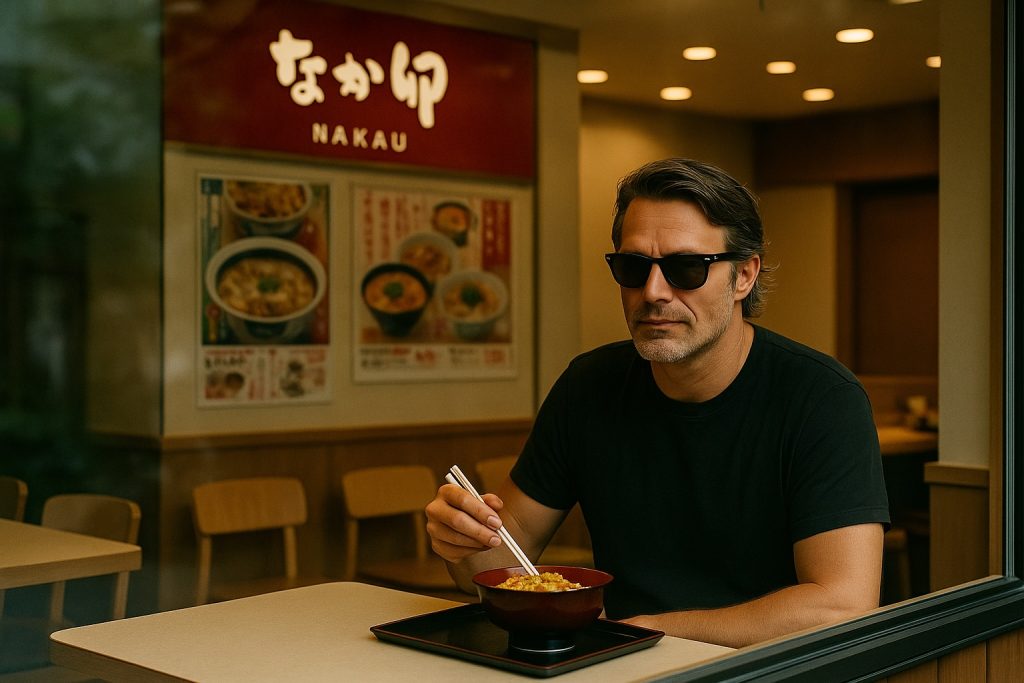
While in Japan for projects like the game Death Stranding, Mikkelsen, who isn’t particularly fond of seafood, was admittedly hesitant about trying Japan’s iconic sushi. Amidst various staff suggestions for alternative Japanese dishes, Oyakodon from the popular chain restaurant “Nakau” was proposed.
However, upon hearing the concept—combining chicken and egg, served soft-cooked over rice—his reported reaction was one of strong disbelief: “Are they serious?!” Given that eating raw or runny eggs isn’t common practice in many Western countries, his initial skepticism was perhaps understandable.
Yet, one day, as he happened to pass by a Nakau outlet, the enticing picture of Oyakodon and its delicious aroma stopped him in his tracks. Despite his strong preconceptions, curiosity won out. He stepped inside and ordered the dish. That first bite completely overturned his perception. “I’m embarrassed I was so prejudiced as an adult,” he later remarked about the experience. “I never thought it would be this delicious!”
That such an everyday Japanese rice bowl, often available for just a few hundred yen, could so thoroughly enchant an international star speaks volumes. Mads Mikkelsen’s experience highlights Oyakodon’s universal deliciousness – an appeal capable of crossing cultural and culinary barriers – while also symbolizing the depth and accessibility of Japan’s food culture. Perhaps, like him, many foreign travelers overcome their initial hesitation to discover an unexpected favorite among Japan’s diverse culinary offerings.
Where to Eat Oyakodon: Finding Your Perfect Bowl
While making it yourself is fun, experiencing Oyakodon out in Japan is essential. You can find this Japanese rice bowl everywhere, from super-fast chains to specialized restaurants. Here are a few types of places to look out for:
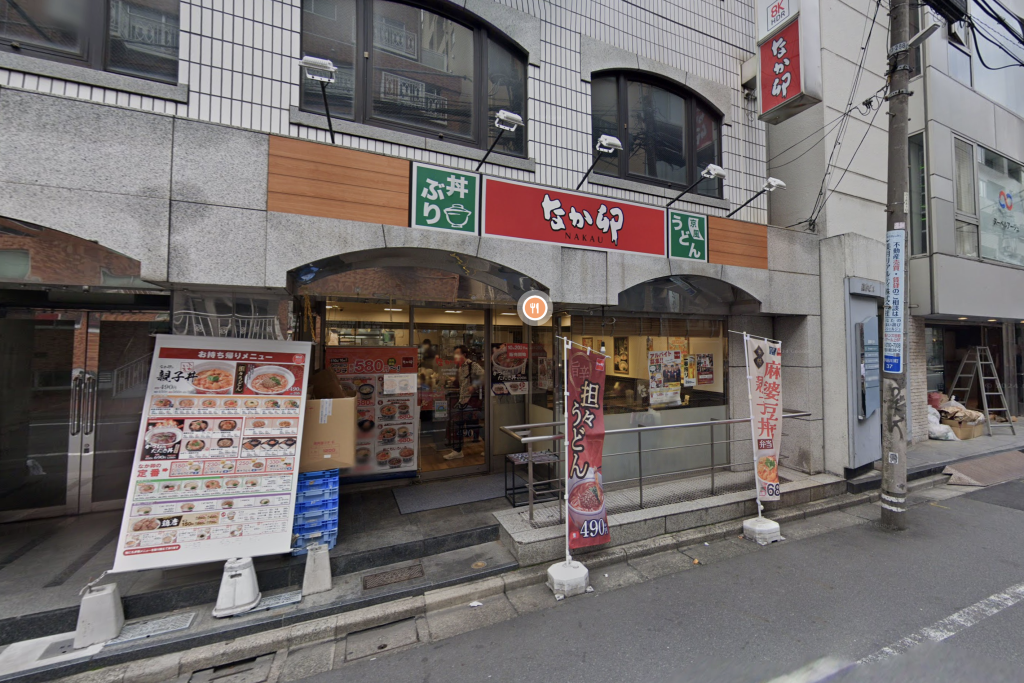
Affordable Places: Nakau (なか卯)
Vibe: Quick, clean, no-frills nationwide chain. Your absolute go-to for dependable and affordable travel food in Japan. Perfect for a fast solo lunch or a casual bite. Enjoyable at a surprisingly reasonable price point.
The Oyakodon: Their standard Oyakodon is a classic for a reason, as stars like Mads Mikkelsen discovered. Uses carefully selected eggs and their signature dashi blend. Consistently tasty and satisfying.
Ordering: Often uses ticket vending machines near the entrance. Select your dish, pay, take the ticket to the counter or find a seat, and staff will bring it to you. Some locations might have tablet ordering or counter service.
Keyword:Nakau is synonymous with affordable, tasty Oyakodon.
Yakitori Harukyou (焼き鳥 晴京) – Shinjuku, Tokyo
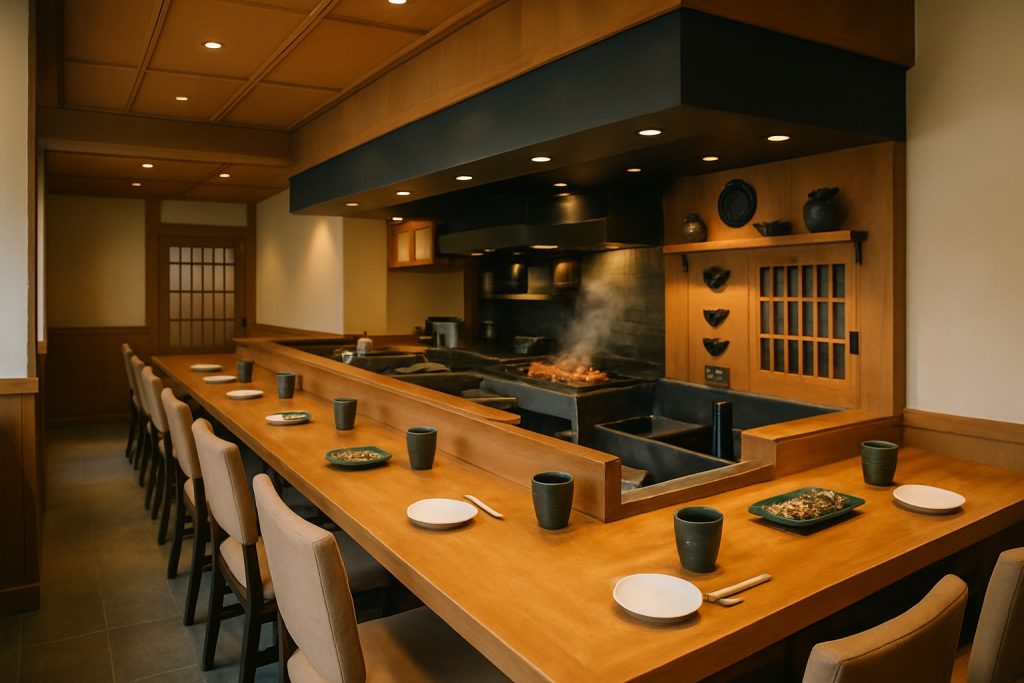
Vibe: Likely a more atmospheric setting, perhaps a cozy izakaya (Japanese pub) or small restaurant specializing in grilled chicken (yakitori). Expect counter seating and maybe small tables. Great for dinner with a partner, for when you want something a little nicer than usual.
The Oyakodon: This spot likely uses high-quality chicken, possibly sumibiyaki (charcoal-grilled) before simmering, adding a fantastic smoky depth lacking in faster versions. The egg might be richer, the dashi more refined. A noticeable step up in quality and ambiance.
Location: Shinjuku area (check specific address/map). Shinjuku is a major hub, easily accessible.
Ordering: Probably table service. Pointing at the menu usually works fine if your Japanese is limited. Might get busy during peak dinner hours (7-9 PM).
Aoyama Torimikura Honten (青山 鶏味座 本店) – Omotesando, Tokyo
Vibe: Upscale restaurant in the chic Omotesando neighborhood, known for high-end shopping and dining. Expect a refined atmosphere, potentially more spacious seating. Ideal for a special lunch or dinner.
The Oyakodon: This is where Oyakodon becomes an art form, fit for a splurge on a special occasion. They likely use premium jidori (regional specialty chicken breeds known for superior flavor and texture). Look out for potential luxurious twists like a hint of truffle oil or exceptionally rich, orange-yolked eggs.
Location: Aoyama/Omotesando area (check specific address/map). Easily accessible via the Metro.
Beyond the Bowl: Perfect Pairings & Tasty Variations
While Oyakodon is a complete meal in itself, you can enhance the experience:
Sides: It’s often served with a small bowl of miso soup and perhaps some tsukemono (Japanese pickles) like takuan (pickled daikon radish) to cleanse the palate. At chains like Nakau, you might add these sides à la carte or as part of a set menu (teishoku 定食). Some places offer mini udon or soba noodles as a side option too (like Mads Mikkelsen enjoyed!).
Spice It Up: On the table, you’ll usually find shichimi togarashi (七味唐辛子), a seven-spice blend with chili, sesame, citrus peel, and more. A sprinkle adds a gentle warmth and complexity. Some aficionados prefer sansho (山椒), a Japanese pepper with a unique numbing, citrusy zing – try it if you see it (Mads Mikkelsen is reportedly a fan of this on his Oyakodon!).
Variations: While the classic chicken-and-egg formula is king, you might occasionally encounter regional variations or restaurant specials. Some might use different cuts of chicken, add mushrooms (shiitake), or incorporate unique local ingredients. Keep an eye out for creative takes on this beloved Japanese rice bowl.
Oyakodon 101: Understanding the “Parent-and-Child” Bowl
So, what exactly is this dish that won over a skeptical star? The name Oyakodon itself offers a poetic clue: “Oyako” (親子) means “parent and child,” referring directly to the chicken (parent) and egg (child) nestled together in the bowl. This beloved dish is said to have originated in Tokyo around the late 1880s or 1890s, initially as a way to use up leftover chicken from sukiyaki restaurants, evolving into the dedicated dish we know today.
Think of it as Japan’s answer to soulful chicken soup or a comforting stew, but with a uniquely Japanese flavor profile. Unlike many Western chicken-and-rice dishes that might be simply roasted or fried, Oyakodon relies on the magic of dashi (a fundamental Japanese soup stock, usually made from kombu seaweed and bonito flakes), soy sauce, mirin (sweet rice wine), and a touch of sugar. This combination creates a broth that’s simultaneously savory, slightly sweet, and packed with umami depth.
The cooking process is key: thinly sliced chicken (usually thigh meat for tenderness and flavor) and onions are gently simmered in this seasoned broth until cooked through. Then, lightly beaten eggs are drizzled over the mixture. Crucially, the eggs aren’t scrambled vigorously; they’re cooked just until partially set, remaining soft, luscious, and almost custardy in texture. This silky egg mixture binds everything together and creates that signature comforting mouthfeel when spooned over hot rice. It’s a far cry from a dry chicken breast plonked next to plain rice; it’s a harmonious, integrated bowl of flavor and texture.
Recipe Snapshot: Make Oyakodon at Your house (15 Mins!)
Feeling inspired? Oyakodon is surprisingly simple to whip up, even in a basic house kitchen.
It’s a quick, satisfying meal after a long day of exploring. Here’s a bare-bones guide:
1 small boneless, skinless chicken thigh (about 100-120g / 3.5-4 oz), cut into bite-sized pieces
¼ medium onion, thinly sliced
1 large egg, lightly beaten (just enough to break the yolk)
1 bowl cooked Japanese short-grain rice, hot
For the Broth:
80 ml (⅓ cup) dashi stock (instant dashi powder dissolved in water works fine)
1 tbsp soy sauce
1 tbsp mirin
½ tbsp sugar (adjust to taste)
Optional garnish: Mitsuba (Japanese parsley), chopped green onions, or shichimi togarashi (seven-spice blend)
Method:
Combine Broth: In a small frying pan (ideally around 18-20cm / 7-8 inches), combine the dashi, soy sauce, mirin, and sugar. Bring to a simmer over medium heat.
Cook Chicken & Onion: Add the sliced onion and chicken pieces to the simmering broth. Cook for about 5-7 minutes, or until the chicken is cooked through and the onion is tender. Skim off any scum that rises to the surface.
Add Egg: Gently pour the lightly beaten egg evenly over the chicken and onion mixture. Don’t stir! Let it bubble gently. You can cover the pan for a minute or two to help the top set slightly, but aim for a soft, slightly runny consistency – that’s the authentic Oyakodon way.
Serve: Carefully slide the entire chicken and egg mixture over the hot rice in your bowl. Garnish if desired. Enjoy immediately!